How Political News Influences Stock Market Trends: A Comprehensive Analysis
The interplay between political events and the stock market is a complex and fascinating subject. Political news can have a profound impact on market behavior, influencing investor sentiment, stock prices, and overall market trends. Understanding this dynamic is crucial for investors, analysts, and policymakers alike. This article delves deep into how political news shapes market trends, exploring various aspects and providing examples to illustrate these effects.
The Relationship Between Politics and the Stock Market
The relationship between political news and the stock market is rooted in the concept of market sentiment. Investors are constantly looking for cues to guide their decisions, and political events often serve as significant indicators. Changes in government policies, election outcomes, geopolitical tensions, and legislative developments are among the myriad of factors that can sway market sentiment.
For example, elections tend to create uncertainty in the markets. Investors may become cautious, leading to increased volatility. Conversely, a clear election result that aligns with investor expectations can boost market confidence and propel stock prices upward.
Impact of Government Policies
Government policies, particularly those related to taxation, spending, and regulation, have a direct impact on the stock market. Tax cuts, for instance, can stimulate economic growth by increasing disposable income and corporate profits. This often results in a positive response from the stock market.
Conversely, policies that increase taxes or impose stringent regulations may dampen investor enthusiasm. The market’s reaction to proposed changes in corporate tax rates is a prime example of how sensitive stocks are to governmental fiscal policies. Historical data shows that tax reform can lead to significant shifts in market performance.
Moreover, trade policies also play a critical role. Tariffs and trade agreements can affect the profitability of industries reliant on international trade. For instance, the imposition of tariffs often leads to market volatility as businesses and investors adjust to new cost structures and competitive dynamics.
Geopolitical Events and Their Influence
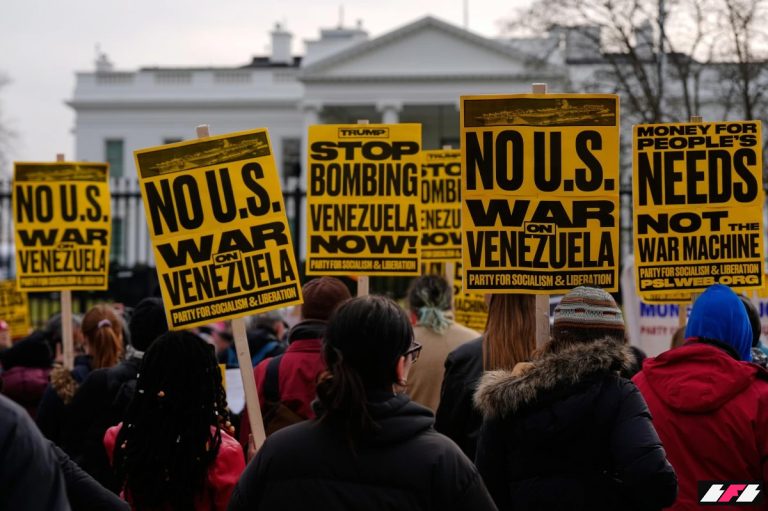
Geopolitical events, such as conflicts, diplomatic tensions, and international agreements, can significantly influence the stock market. These events often lead to uncertainty, prompting a risk-off sentiment among investors. Historical events, such as the Gulf War and the Brexit referendum, have exhibited pronounced effects on global financial markets.
During times of geopolitical stress, safe-haven assets like gold and government bonds typically see increased demand, while stocks may suffer. Understanding the geopolitical landscape is essential for investors aiming to navigate market fluctuations effectively.
The Role of Media in Shaping Market Perceptions
The media plays a pivotal role in disseminating political news and shaping market perceptions. News outlets provide investors with information that can influence their expectations and decisions. The tone and framing of news reports can amplify market reactions to political events.
For instance, positive media coverage of a government’s economic policy can bolster investor confidence and stimulate stock market growth. Conversely, negative reporting on political instability or policy missteps can lead to market sell-offs. The media’s influence on investor behavior underscores the need for critical analysis and discernment when consuming political news.
Case Studies: Political News and Market Reactions
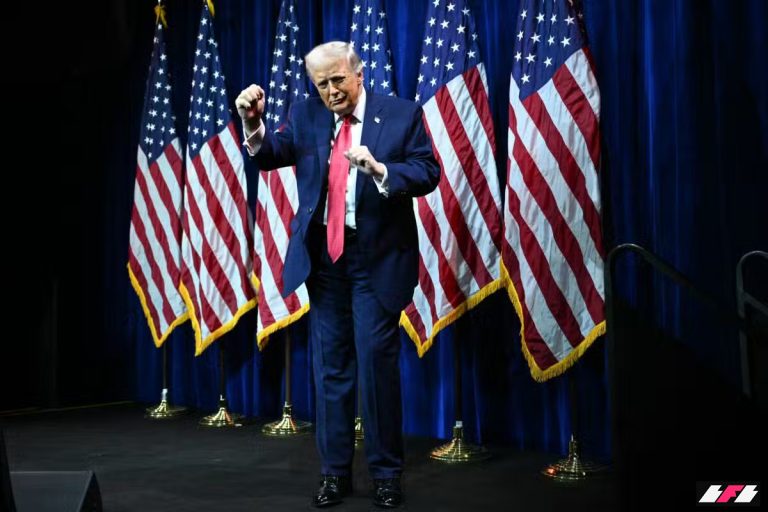
Several case studies demonstrate the impact of political news on stock market trends. The 2016 U.S. presidential election is a notable example. Leading up to the election, markets experienced heightened volatility due to uncertainty about the outcome. However, following the election of Donald Trump, the market rallied, driven by expectations of business-friendly policies and tax reforms.
Another example is the ongoing trade tensions between the United States and China. News related to trade negotiations, tariffs, and agreements has consistently led to market fluctuations, with sectors like technology and agriculture being particularly affected.
These case studies highlight the importance of staying informed about political developments and understanding their potential impact on different market sectors.
Strategies for Investors
Investors can adopt several strategies to mitigate the impact of political news on their portfolios. Diversification is a fundamental approach, allowing investors to spread risk across different asset classes and sectors. This strategy can cushion the impact of political events on a single market or industry.
Additionally, investors should stay informed by regularly following reliable news sources and analysis. Engaging with financial news platforms can provide valuable insights into market trends and potential risks. Understanding the historical context of political events and their market impact can also guide investment decisions.

Takeaways
Political news is a powerful force that shapes stock market trends. From government policies to geopolitical events, the influence of politics on market sentiment and performance is undeniable. Investors must remain vigilant, adapting their strategies to navigate the complexities of political developments effectively.
By understanding the relationship between political news and the stock market, investors can make informed decisions, mitigate risks, and capitalize on opportunities. As the global political landscape continues to evolve, staying informed and adaptable will be key to achieving financial success in an interconnected world.
Technological Advancements and Political News
The rise of technology has transformed how political news is disseminated and consumed, further influencing stock market trends. Social media platforms and news apps provide real-time updates on political events, enabling investors to react swiftly to new developments. This immediacy can lead to increased market volatility as investors quickly buy or sell stocks based on breaking news.
Algorithmic trading and artificial intelligence also play a role in interpreting political news. These technologies can analyze vast amounts of data, identifying patterns and predicting market movements. Algorithms can execute trades within milliseconds of news announcements, amplifying market reactions and creating rapid price swings.
Investors must be aware of the technological landscape and its impact on market dynamics. Understanding how technology influences trade execution and market sentiment can provide a competitive edge in navigating politically-driven market events.
The Global Context: International Political News
While domestic political news is often at the forefront of investors’ minds, international political developments also have significant implications for global markets. Economic policies in major economies, such as China’s monetary policy adjustments or the European Union’s regulatory changes, can have far-reaching effects on global trade and investment.
For instance, the European Central Bank’s decisions on interest rates or quantitative easing can influence currency exchange rates and, consequently, international trade dynamics. Investors with global portfolios must consider how international political events might impact their investments.
Staying informed about global political news through reputable international news sources such as Reuters can help investors anticipate market shifts and adjust their strategies accordingly.
Long-Term Versus Short-Term Effects
When analyzing the influence of political news on stock markets, it’s essential to differentiate between short-term and long-term effects. Political events often trigger immediate market reactions, characterized by volatility and rapid price changes. However, the long-term effects may be more muted as markets adjust to new realities and investor sentiment stabilizes.
For example, while a political scandal might cause an immediate drop in stock prices, the long-term impact may depend on the government’s response and the underlying economic fundamentals. Investors with a long-term outlook should focus on the broader economic context and avoid overreacting to short-term political noise.
Conversely, traders and short-term investors might capitalize on market volatility by employing strategies such as options trading or short selling, taking advantage of price fluctuations driven by political news.
Resilience and Adaptability in the Face of Political Uncertainty
Political uncertainty is an inherent aspect of investing, but it also presents opportunities for those who can adapt and remain resilient. Building a resilient portfolio involves diversifying across asset classes, sectors, and geographical regions, reducing the impact of any single political event on overall performance.
Moreover, maintaining a flexible investment strategy allows investors to adjust their positions in response to changing political landscapes. This adaptability can be achieved through a combination of active management, continuous learning, and leveraging insights from financial advisors.
Investors who stay informed, remain patient, and focus on their long-term goals can navigate political uncertainty successfully, turning potential challenges into opportunities for growth.
Conclusion: Embracing the Complexity
The influence of political news on stock market trends is a multifaceted phenomenon, shaped by various factors including government policies, geopolitical events, media narratives, and technological advancements. While political developments can introduce volatility and uncertainty, they also offer opportunities for informed and adaptive investors.
By embracing the complexity of this relationship, investors can make better-informed decisions, leveraging political news as a tool for strategic investment. As the political landscape continues to evolve, a proactive approach to understanding and responding to political news will be essential for achieving investment success in today’s interconnected world.
About the Author